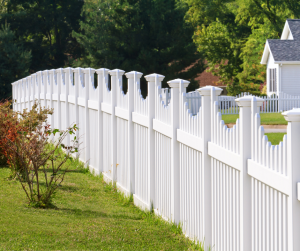
As temperatures drop, it’s important to winterize your vinyl fencing and railings for the harsh winter months. Proper winterizing not only ensures that your fence looks great year-round but also helps extend its lifespan. Follow these essential steps to protect your investment and avoid costly repairs in the spring.
1. Inspect Your Vinyl Fence and Railings
Before the cold sets in, do a thorough inspection of your vinyl fence and railings. Look for cracks, bends, or any areas that might have been weakened during the year. While vinyl is durable, extreme weather conditions can sometimes cause minor issues that are easy to fix before they turn into bigger problems.
2. Clean Your Fence and Railings
Debris, dirt, and leaves can accumulate in your fencing and railing. Take the time to clean your fence using mild soap and water. Avoid harsh chemicals that can damage the vinyl. Cleaning will not only keep your fence looking new but also remove any substances that might trap moisture and cause problems during freezing temperatures.
3. Trim Nearby Trees and Shrubs
If there are any trees or shrubs close to your fence or railings, trim them back before winter hits. Heavy snow, ice, or wind can cause branches to break, potentially damaging your vinyl fence. Keeping branches trimmed and away from your fence will prevent unnecessary stress on your structure.
4. Check for Stability
Ensure that your fence is standing firm. Over time, the posts may shift, especially in areas with extreme weather. You can easily reset or reinforce posts before the ground freezes to avoid instability throughout the winter months. Proper stabilization prevents leaning or collapse, which can be dangerous if left unchecked.
5. Address Moisture Issues
Moisture can be problematic in colder weather, leading to mold, mildew, or frost damage. Be sure your fence and railings are free of water buildup and ensure that the ground around them is draining properly. Moisture trapped in gaps or crevices can freeze and expand, causing cracks or damage.
6. Secure Your Fence During Snowstorms
When snowstorms hit, keep an eye on your vinyl fencing and railings. While vinyl is built to withstand most weather conditions, extreme snow buildup can cause strain. Use a soft broom or brush to clear snow off your fence to prevent it from accumulating and causing pressure on the structure.
7. Consider Protective Covers
For added protection, consider covering your vinyl railings or fence with a breathable tarp during severe weather events. This is particularly useful in areas with heavy snow or ice storms. Be sure to use covers that allow air to circulate, as airtight coverings can trap moisture, leading to long-term damage.
Winterize Your Vinyl Fencing and Railings to Protect Them Year-Round
Taking these simple steps to winterize your vinyl fence and railings will help ensure their durability and appearance, no matter how harsh the winter weather gets. With a little proactive maintenance, you can enjoy the beauty of your fence throughout the season without worrying about expensive repairs come spring.
Need help with your vinyl fence or railing installation? At Vinyl Rail Depot, we offer high-quality, durable fencing solutions that stand up to even the toughest winters. Whether you need to install a new fence or have your current one maintained, our experts are here to help!
Contact us today to learn more about our vinyl fencing and railing options or to schedule an installation. Protect your investment with Vinyl Rail Depot this winter!