Fences don’t last forever. Whether yours is falling apart, outdated, or just not serving its purpose anymore, there comes a time when it has to go. But before you grab a sledgehammer and start swinging, there are a few things to consider. Fence removal might seem like a straightforward job, but doing it the right way will save you time, effort, and even some unexpected headaches.
Step 1: Check Before You Wreck
Before you start ripping out posts and panels, take a step back. There are a few things you need to check first:
- Property Lines: Are you 100 percent sure the fence is on your property? If it’s shared with a neighbor, you might need their approval before removing it.
- HOA & City Rules: Some neighborhoods have regulations about fence removal and replacements. A quick check with your homeowner’s association or local municipality can prevent fines or unwanted issues.
- Buried Utilities: You don’t want to accidentally dig into a gas or water line. Call 811 to have underground utilities marked before you start pulling out posts.
Step 2: Plan Your Removal Strategy
Not all fences are built the same, and some are tougher to take down than others. The type of fence you have will determine your approach:
- Wood Fences: Panels usually come off easily, but posts set in concrete can be a challenge.
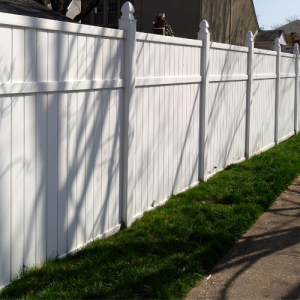
- Vinyl Fences: These are often locked into place with brackets or posts that may need to be dug out.
- Metal or Chain Link: These might be rusted into the ground, requiring extra muscle or the right tools to remove.
If your fence is old and brittle, it could break apart as you go, so be prepared for some extra cleanup.
Step 3: Gather Your Tools
Fence removal isn’t a job you want to start empty-handed. You’ll need:
- Work gloves to protect your hands from splinters and sharp edges
- A pry bar or crowbar to loosen stubborn boards
- A reciprocating saw for cutting through posts or metal sections
- A shovel and post puller for digging out concrete footings
- A wheelbarrow or truck for hauling away debris
If your posts are set deep in concrete, you might need extra help—or even a jack to lift them out.
Step 4: Take It Down the Smart Way
Start with the easy parts first. Remove gates, panels, and any hardware before tackling the posts. If posts are set in concrete, try rocking them back and forth to loosen them. For stubborn ones, dig around the base or break up the concrete before attempting to pull them out.
If your fence is attached to a neighbor’s or connected to another structure, be careful not to damage anything you’re not planning to remove.
Step 5: Clean Up and Dispose of Materials
Once the fence is down, you’ll need to figure out what to do with the materials. Some options:
- Reuse or Repurpose: Old wood can be turned into DIY projects like garden beds or decorative signs.
- Recycle: Metal fencing can often be taken to a scrap yard.
- Haul It Away: If you don’t want to deal with the mess, hire a professional to remove it for you.
Be sure to clean up any nails, screws, or sharp pieces so your yard stays safe.
Thinking About a New Fence?
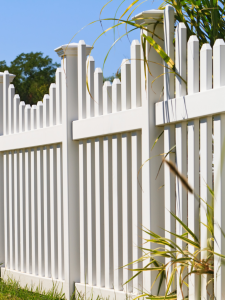
Now that the old one is gone, what’s next? If you’re looking to replace your fence with something low-maintenance and long-lasting, Vinyl Rail Depot has you covered. Our vinyl fences are built to last, look great, and require minimal upkeep—so you won’t have to deal with another fence removal anytime soon.
Ready for an upgrade? Contact Vinyl Rail Depot today and let’s talk about your new fence!